
The ocean has greatly slowed the rate of climate change, but at a cost. It has warmed, acidified and lost oxygen, while circulation patterns are changing and sea levels are rising. These changes threaten marine ecosystems and the ocean's ability to support life on Earth. Encouragingly, the ocean offers a range of mitigation and adaptation opportunities for nations to combat climate change, increase ambition on emissions reduction, and ensure that the ocean can be developed sustainably. These efforts will be key to ensure the many benefits the ocean provides to people around the world can endure indefinitely.
The ocean and climate are intrinsically linked; one cannot function without the other. Yet despite its central role in regulating the Earth's climate, the ocean has historically had limited visibility within UNFCCC climate negotiations, although recognition of its critical role in climate action has grown significantly in recent years. Without fully integrating ocean considerations into climate policy, efforts to address the climate crisis risk falling short.
The challenge is particularly significant because much of the ocean lies in areas beyond national jurisdiction, with no single voice representing these vast marine regions in international negotiations. Covering 72% of the Earth's surface and comprising over 90% of its living space, the ocean is fundamental to life on our planet and deserves a prominent place in global climate discussions.
A dedicated Virtual Ocean Pavilion helps raise the visibility of ocean issues, showcase the latest science and innovation, and highlights why the ocean should be at the heart of climate negotiations. By bringing together governments, scientists, Indigenous Peoples, businesses, civil society, youth and local communities, the Pavilion creates opportunities for dialogue, collaboration and action.
Since its launch in 2021 at COP26 the Virtual Ocean Pavilion has become a key platform for connecting the global ocean-climate community. It has welcomed registrations from over 150 countries, increased access to ocean-climate discussions, promoted knowledge sharing and helped for ocean voices to be heard across the globe.
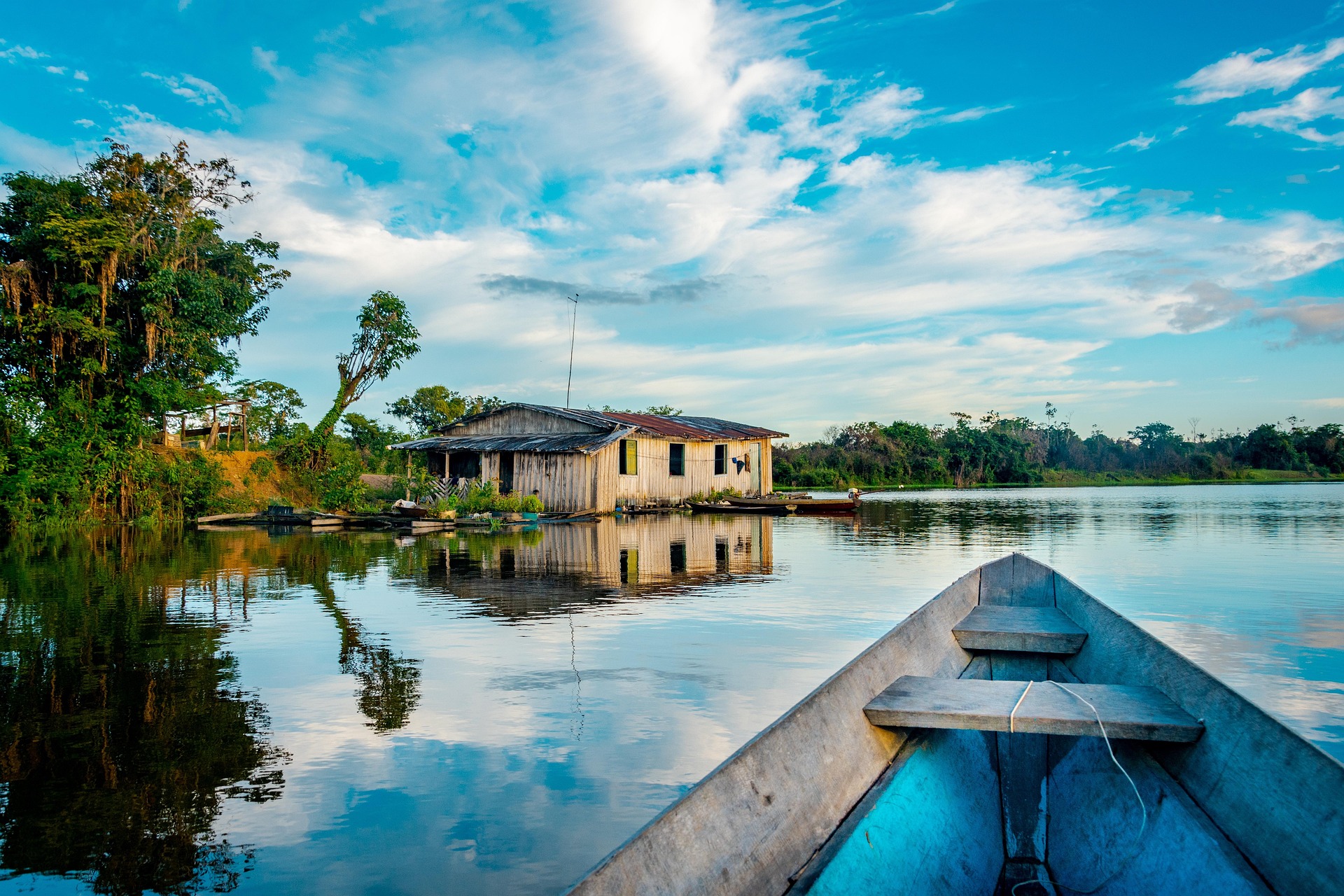
Photo credit: Pixabay
As the ocean concerns everyone, the Virtual Ocean Pavilion provides an opportunity for people around the world to engage with COP31, regardless of whether they are able to attend in person. The Pavilion extends the ocean-climate discourse, information, and resources beyond the Conference, thereby establishing a legacy resource and ensuring that no one is overlooked, as the ocean is fundamental to the well-being of individuals and communities worldwide.
Key benefits include:

Gain unique access to live events at the COP31 Virtual Ocean Pavilion, which will feature high-profile speakers, youth voices, UN representatives, and ocean and climate experts among others.

Visit ocean exhibits without the necessity of sailing or swimming anywhere! Leading ocean and climate organizations will share their latest initiatives and provide you with a vast amount of information which you can 'take away' in your virtual delegate bag.

Encourage the promotion of ocean-related events in and around COP31 by means of the Ocean Event Tracker. The Virtual Ocean Pavilion will offer access to a calendar of ocean events that incorporates the data collected by the tracker.

Explore a range of COP31 events, interviews, and films at your convenience.

Examine a wide range of ocean music, art, diversions, and climate stories from around the world. Please ensure that you visit the Treasure Trove on a daily basis to stay informed about the most recent COP31 news and exciting new developments.

Are you interested in diving into COP31? To gain a more thorough comprehension of COP31 and the events and activities that surround it, choose from various interviews with party negotiators and other key stakeholders.

Engage in the Virtual Ocean Pavilion chat to establish connections with ocean and climate enthusiasts from around the world. Engage in a dialogue with both peers and experts to gain a deeper understanding of the current condition of the ocean and climate, as well as to develop collaborative solutions that promote the sustainable use and effective conservation of our shared blue planet.
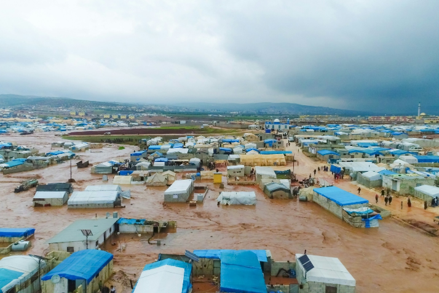
Flooded tents at an internally displaced persons (IDP) camp in northwest Syria following severe winter storms, Idlib province.(Photo by Salah Darwish via Unsplash)
According to observations from the World Meteorological Organization (WMO) and the National Oceanic and Atmospheric Administration (NOAA), El Niño is strengthening, with a greater than 90% chance of becoming a very strong event in the coming months. It has the potential to influence weather and climate patterns far beyond the Pacific and is expected to persist into 2027, with implications for marine ecosystems and coastal communities worldwide. In September 2026, daily sea surface temperature anomalies in the Niño 3.4 region of the central Pacific reached record levels of approximately 3.05°C to 3.11°C above average.
The urgency of international collaboration on ocean-climate challenges and solutions has never been greater. The COP31 Virtual Ocean Pavilion provides a platform for global dialogue, knowledge exchange, and partnership at this critical time. Join us to explore ocean-climate challenges, share solutions, and connect with a global community of experts and stakeholders.

Executive Director, Global Ocean Forum
Deputy Head, International Office, Plymouth Marine Laboratory, UK

Policy Analyst, Global Ocean Forum

2026 Dr. Biliana Cicin-Sain Ocean and Climate Fellow, Global Ocean Forum